



What Colors Should Beginners Use? (And Why There’s No One Right Answer)

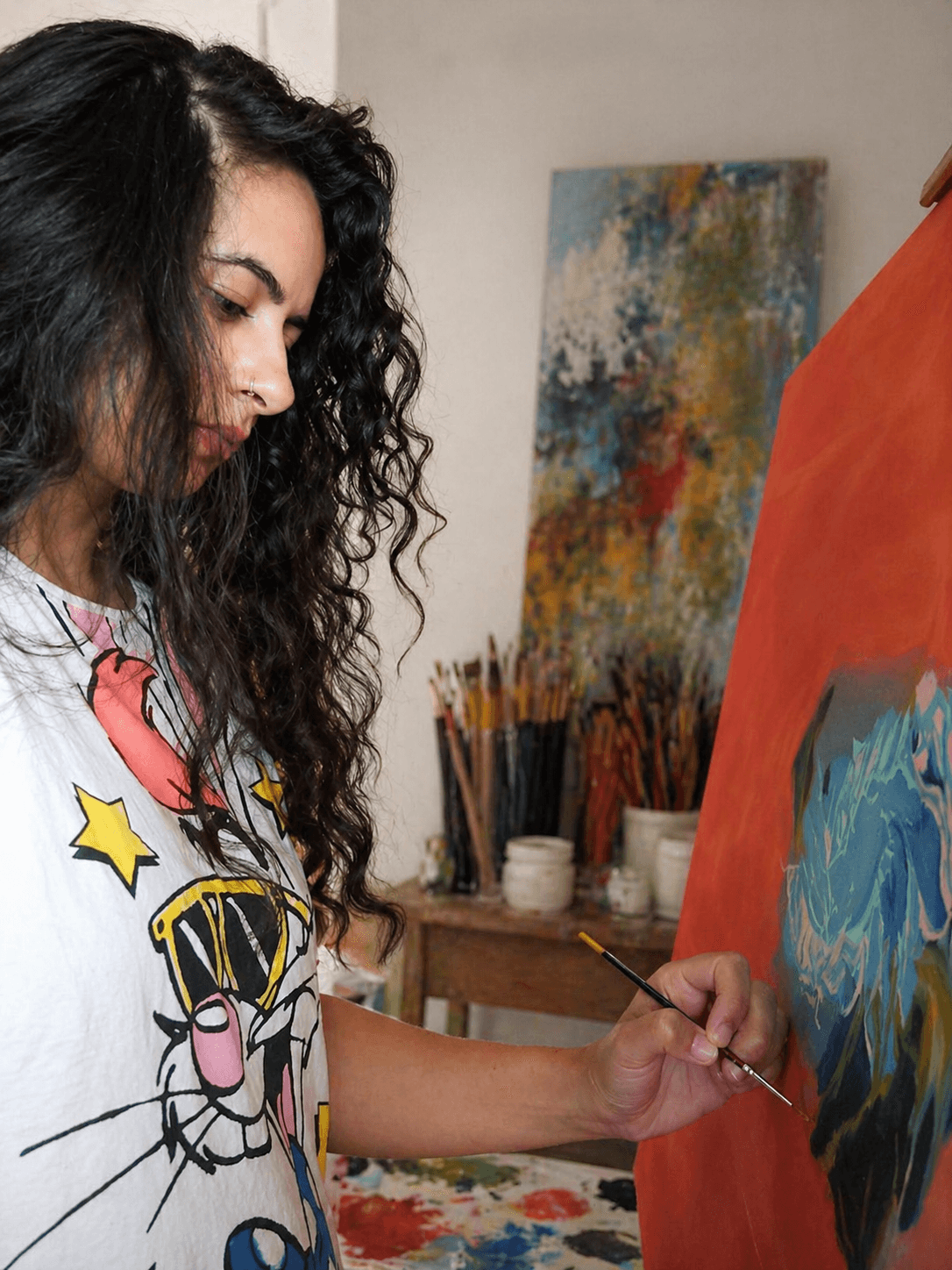
Painting is one of those art forms that slowly fades for many of us as we grow older. As school drawing classes disappear with time, so does the habit of picking up a brush. But not for everyone. Choosing to paint as an adult often feels like a quiet rebellion. While the world gets busier, some people still make time to sit with a canvas—not because they have to, but because they want to. At Neemgalli, as we interact with practicing artists regularly, one thing becomes clear: the urge to create never really goes away, it just gets buried under routine.
Why Colors Feel Overwhelming at the Start
Colors are often what attract people to painting in the first place, but they’re also what make beginners hesitate. The shift from pencil to color brings with it a sudden increase in choices—shades, combinations, materials, and somewhere in that process, it starts to feel like there’s a “right way” to do it. That’s where the problem begins. Instead of feeling like freedom, color starts to feel like a decision you might get wrong, and that hesitation usually comes from treating it as something to be mastered rather than something to explore.
A Simple Way to Start With Colors
What tends to help more is not finding the perfect palette, but reducing the number of choices in front of you. Starting small makes a noticeable difference. A limited set of colors—just a few tones—is often enough to begin, not because it’s technically correct, but because it removes the pressure of deciding too much too early. When there’s less to think about, it becomes easier to actually sit down and start, and that’s what matters more in the beginning.
How Artists Actually Approach Color
Even artists who have been practicing for years don’t treat color as something fixed.
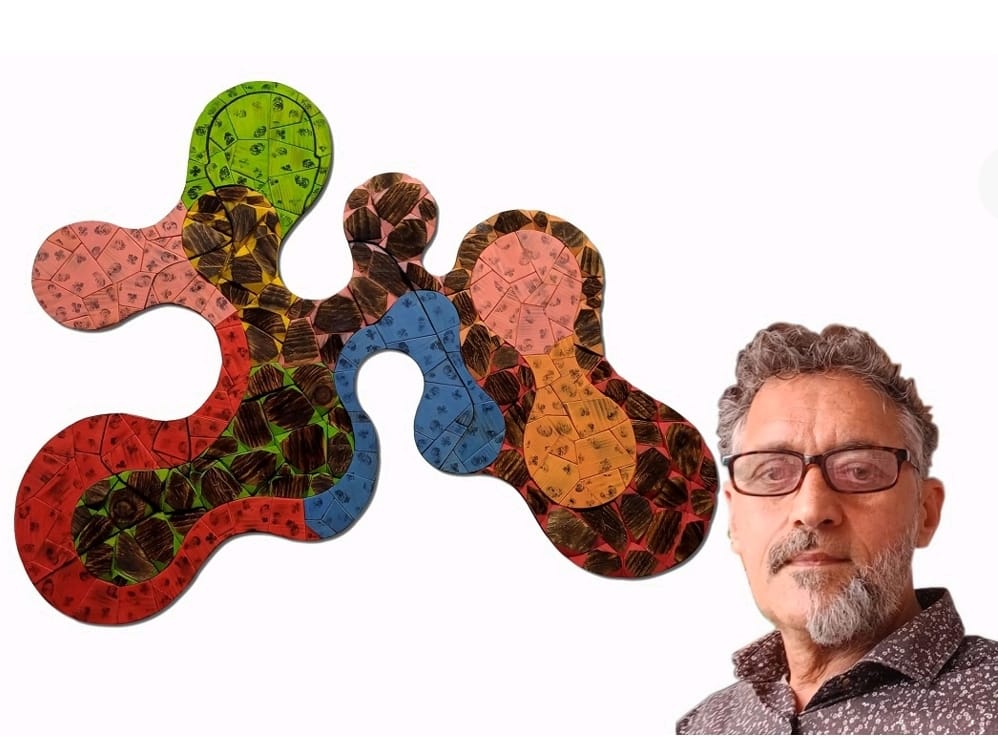
Sureel Kumar is a contemporary artist known for his work in wood murals, where material and process remain central to his practice. He often emphasizes working with what is easily available, suggesting that a medium becomes truly liberating when it is simple and accessible rather than complex or overwhelming.
Based between Vienna, Austria, and India, Kumar has exhibited across both regions, developing a practice shaped by diverse artistic contexts. His approach offers a grounded perspective for artists—encouraging them to begin with what they have and allow their visual language to evolve through process and engagement. If you’d like to see more of Sureel Kumar’s work or get in touch, you can reach him through his website: www.sureelart.com
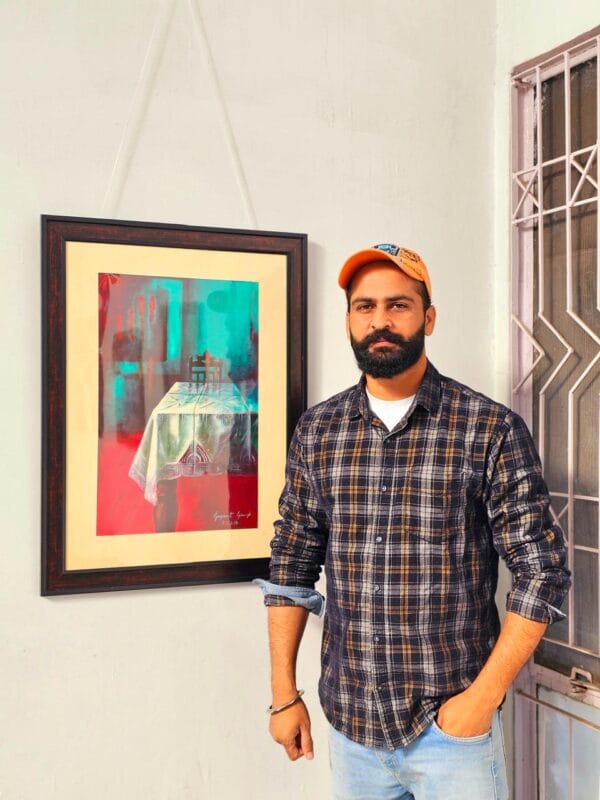
Gurpreet Singh approaches color through close observation, allowing his palette to shift in response to what he is trying to capture—ranging from muted urban tones to more vibrant everyday scenes.
His work reflects a sensitivity to atmosphere and context, where color evolves with subject and mood rather than remaining fixed.
Among his many recognitions, Gurpreet is a recipient of the plein air festival prize in the watercolour category by the International Watercolour Society. Working across multiple mediums, he consistently prioritizes quality over quantity—both in his artistic output and in the materials he selects—bringing a disciplined and thoughtful approach to his practice. If you’d like to see more of Gurpreet Singh’s work, you can find him on Instagram at Artist Gurpreet.
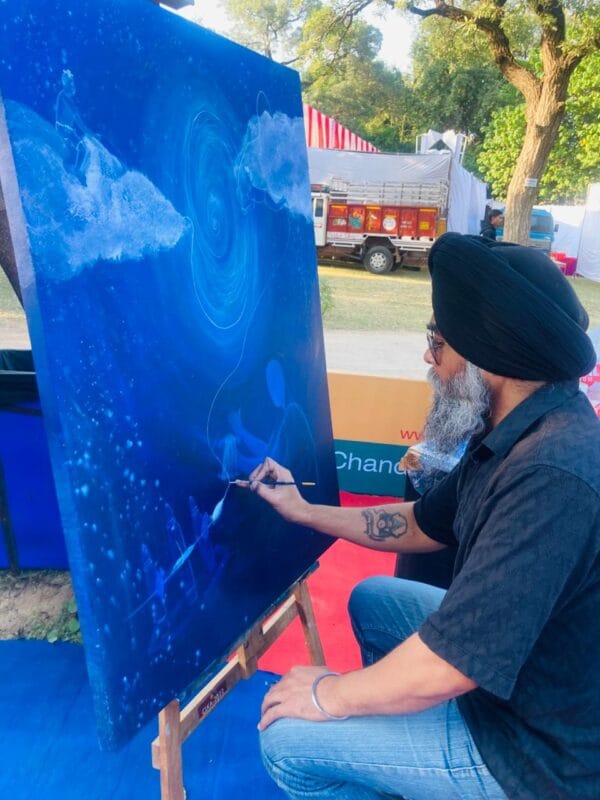
Artists don’t arrive at a fixed way of using color; they move through it. Hardev Singh sees color as a relationship within a composition—something that connects elements rather than merely filling them.
His approach moves beyond surface application, treating color as a structural and emotional link within the artwork. At the same time, he highlights a practical aspect often overlooked by beginners: the quality of materials does influence how a work ultimately comes together.
A well-known name in the City Beautiful (Chandigarh), Hardev is not only a painter but also a theatre artist and educator. Through his teaching and workshops, he actively shares his knowledge and passion across art forms, fostering a deeper engagement with both process and practice. Hardev Singh’s work and updates can be explored on Instagram at D-deb
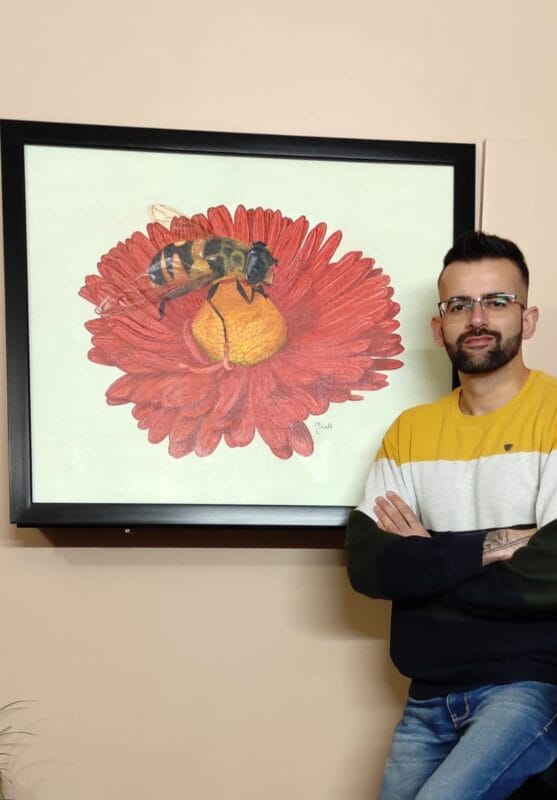
Rishi Rai approaches color intuitively, focusing less on fixed rules and more on flow and responsiveness to the subject. For him, a sunset is not just a scene but a layering of tones, light, and movement—something that reveals itself gradually through careful observation rather than rigid technique.
A graphic and apparel designer, Rishi has been experimenting with colors and patterns since the age of three. His creative practice extends beyond canvas into design, where his understanding of color finds expression across surfaces, textiles, and visual compositions, reflecting both versatility and a deeply ingrained visual instinct. Rishi Rai’s work can be explored further through his website: www.raiprographics.com
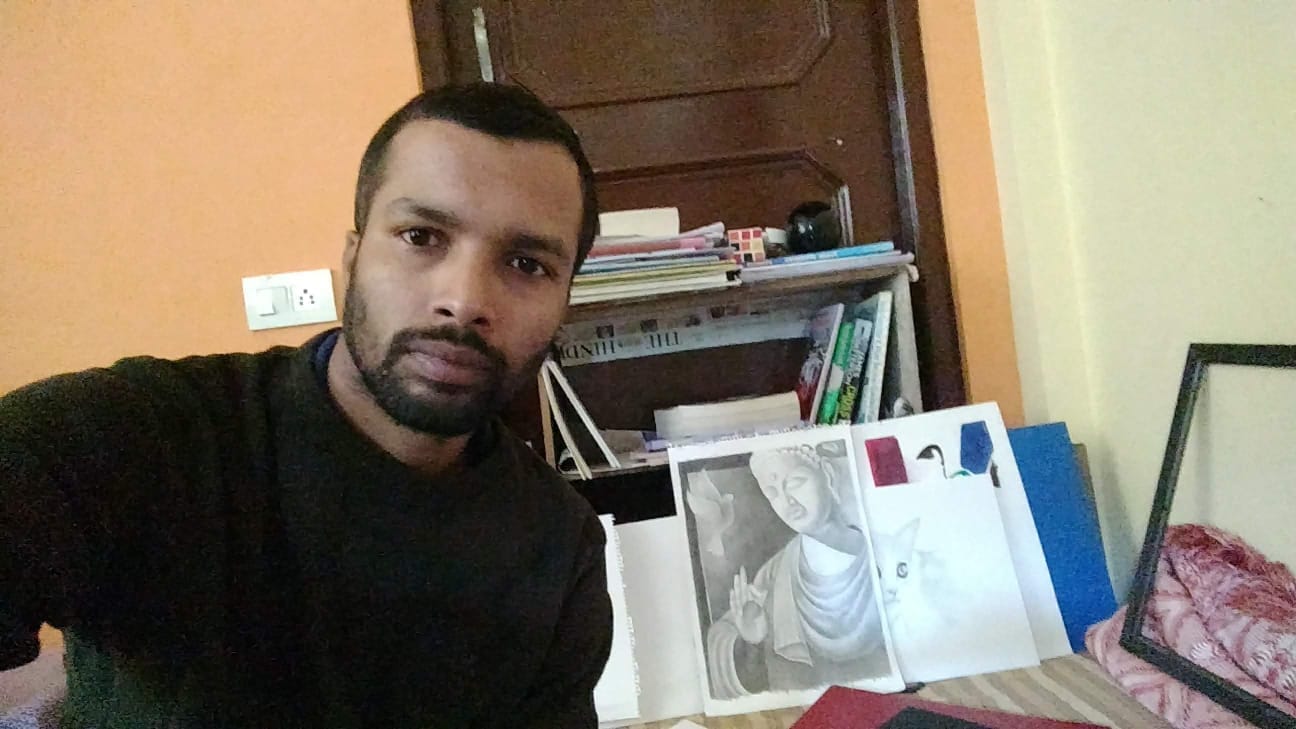
Sunil Sharma works primarily in pencil, creating monochromatic pieces that carry a depth independent of color. His practice serves as a reminder that expression does not come from using more, but from understanding what one is using—where restraint becomes a powerful artistic choice.
A self-taught artist, Sunil works across different surfaces, bringing versatility to his medium. Deeply sensitive in his approach, he draws his subjects from history, memory, and the world around him, translating everyday observations into nuanced, introspective works. You can explore more of Sunil Sharma’s monochromatic work on Instagram at Soft Shades
There Is No “Correct” Color Palette
One of the biggest misconceptions beginners have is that there is a right way to use color. In reality, there isn’t. Different artists approach color differently—some prefer muted tones, others bold contrasts; some follow structure, while others work instinctively. What matters is not accuracy, but how the color supports what you’re trying to express.
What Beginners Should Focus On
Instead of asking what colors you should use, it might be more helpful to ask what feels simple enough to start with. That small shift removes pressure and makes the process more approachable. Over time, you begin to notice your own preferences—the colors you return to, the combinations that feel natural, and a way of working that starts to feel like your own. None of this comes from getting it right the first time; it comes from using color often enough that it begins to make sense to you.
To Summarize
Color is not something you master in one go; it’s something you grow into. There’s no fixed palette, no strict protocol, and no final answer waiting to be discovered. Every artist eventually finds their own way of using it, and that journey doesn’t begin with perfect choices. It begins with simple ones.
If you’re just getting started and looking for simple ideas to practice, you can explore our beginner drawing guide